Iraq Educational System and University Opportunities: A Closer Look at Enhancing Access to Higher Education
Category : | Sub Category : Posted on 2025-11-03 22:25:23
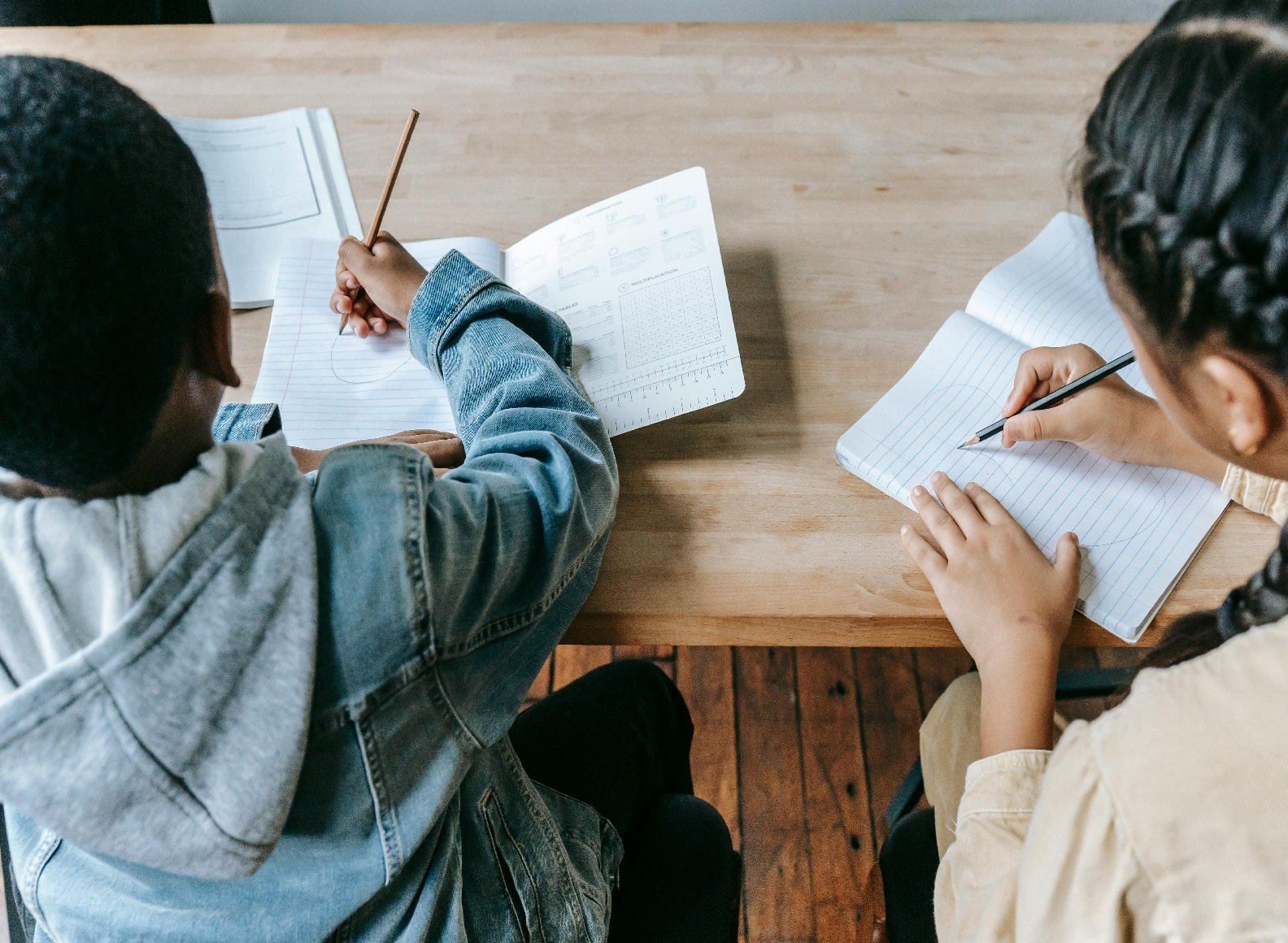
Iraq, a country with a rich history and cultural heritage, is also home to a complex educational system that has evolved over the years. Understanding the structure of the Iraqi educational system is vital for exploring the various university opportunities available to students in the country. The Iraqi educational system comprises primary, secondary, and tertiary levels of education. Primary education is mandatory and free for all children aged six to eleven. Secondary education is divided into two stages: lower secondary (grades 6-9) and upper secondary (grades 10-12). Upon successful completion of secondary education, students have the opportunity to pursue higher education at universities and colleges. In Iraq, there are both public and private universities offering a wide range of degree programs across various fields of study. The Ministry of Higher Education and Scientific Research oversees the country's higher education sector, ensuring quality standards and accreditation processes are in place. One of the challenges facing the Iraqi educational system is access to higher education for all students, regardless of their socioeconomic background. Efforts are being made to enhance access to university education through scholarship programs, financial aid initiatives, and partnerships with international universities. Students in Iraq have the opportunity to pursue undergraduate, postgraduate, and doctoral degrees in disciplines such as engineering, medicine, humanities, and social sciences. Collaborative initiatives with foreign universities and research institutions also provide students with the chance to engage in global academic exchanges and research collaborations. Investing in the education sector is crucial for the future development of Iraq, as educated individuals contribute to the country's social, cultural, and economic progress. By strengthening the educational system and expanding university opportunities, Iraq can empower its youth and build a skilled workforce capable of meeting the challenges of the 21st century. In conclusion, the Iraqi educational system offers a diverse range of university opportunities for students seeking to further their education and pursue their academic interests. By addressing issues of accessibility and quality in higher education, Iraq can continue to nurture talent, drive innovation, and shape a brighter future for its citizens. Explore this subject further by checking out https://www.audiometry.net For additional information, refer to: https://www.unifil.org Looking for expert opinions? Find them in https://www.assyrians.net If you are interested you can check https://www.indicazioni.com Uncover valuable insights in https://www.toabudhabi.com You can also check following website for more information about this subject: https://www.cruzar.org Have a look at the following website to get more information https://www.toalgeria.com Have a look at the following website to get more information https://www.desencadenar.com To find answers, navigate to https://www.abandonar.org For expert commentary, delve into https://www.desencadenar.com To get a better understanding, go through https://www.culturelle.org Check this out https://www.departements.org If you are interested you can check https://www.syrien.org For a comprehensive review, explore https://www.stagiaire.org Looking for expert opinions? Find them in https://www.ncciraq.com For a broader perspective, don't miss https://www.todamascus.com More about this subject in https://www.libyainfo.com
Leave a Comment:
SEARCH
Recent News
- Zurich, Switzerland, is known for its picturesque landscapes, high standard of living, and top-notch educational institutions. On the other hand, Iraq has a complex educational system with various challenges and opportunities for higher education.
- Unlocking Educational Opportunities in Iraq through YouTube Content Creation and Translation
- Iraq Educational System and University Opportunities
- The World Cup is an exciting event that brings together people from all around the globe to celebrate the sport of soccer. While the focus is often on the games and the players, it's also important to consider the impact that the tournament can have beyond the field. One such area where the World Cup can make a difference is in education, specifically in countries like Iraq where various challenges exist within the educational system.
- Enhancing Work Skills Development Through Iraq's Educational System and University Opportunities
- Workplace Health Promotion Network and University Opportunities in Iraq's Educational System
- Women in politics have played a significant role in shaping the landscape of Iraq's educational system and university opportunities. Despite facing numerous challenges and barriers, Iraqi women have made significant strides in the political arena, leading to important advancements in the country's education sector.
- **Addressing Women's Fatigue in Iraq's Educational System and University Opportunities**
READ MORE
11 months ago Category :

Zurich, Switzerland, is known for its picturesque landscapes, high standard of living, and top-notch educational institutions. On the other hand, Iraq has a complex educational system with various challenges and opportunities for higher education.
Read More →11 months ago Category :

Unlocking Educational Opportunities in Iraq through YouTube Content Creation and Translation
Read More →11 months ago Category :

Iraq Educational System and University Opportunities
Read More →11 months ago Category :
