A Comparative Analysis of Education in Cameroon and Natural Resources in Iraq
Category : | Sub Category : Posted on 2025-11-03 22:25:23
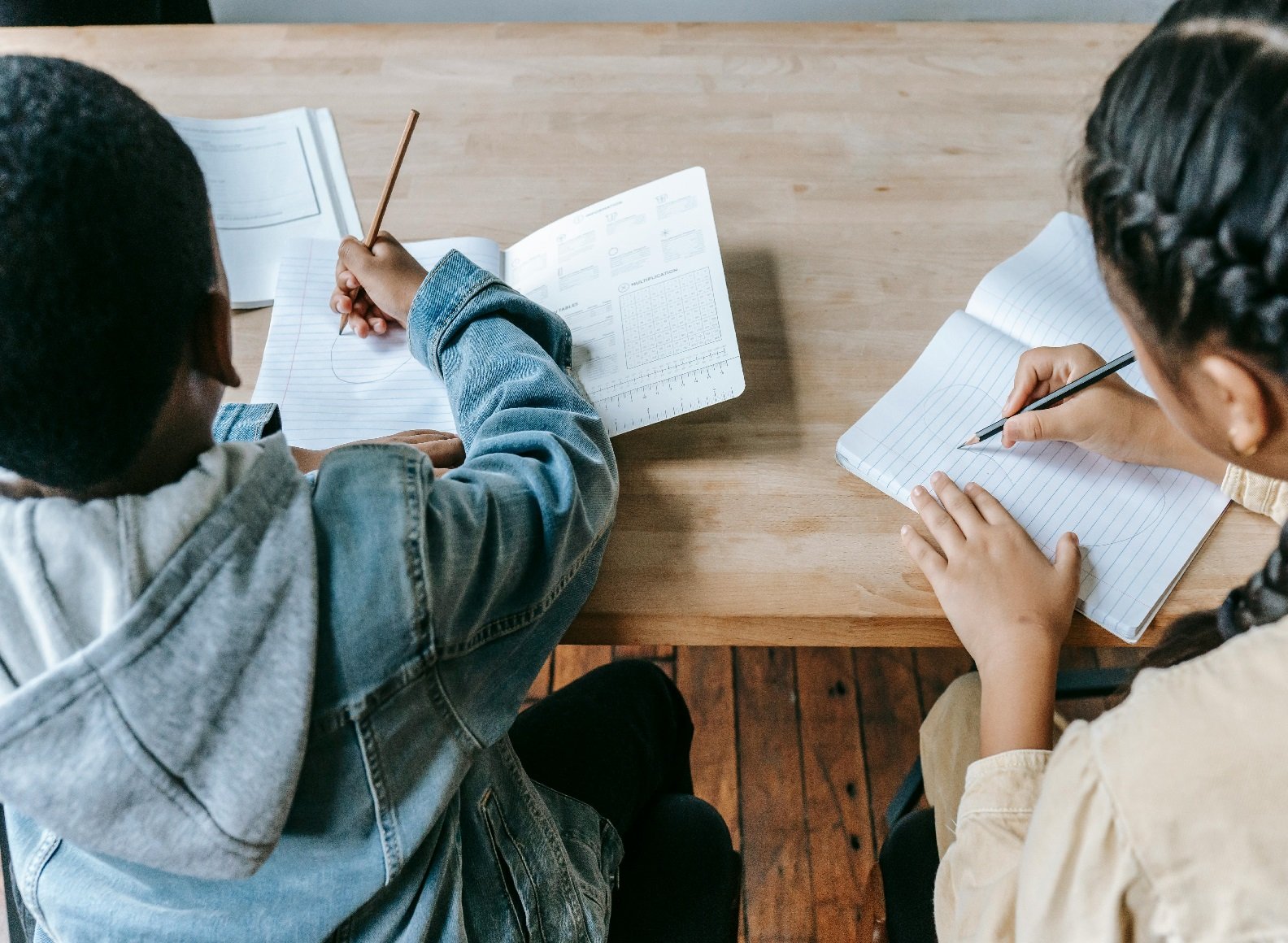
Education in Cameroon is a key component of the country's development, while natural resources such as oil, gas, and minerals play a vital role in the economy of Iraq. In this blog post, we will explore the differences and similarities between the education system in Cameroon and the natural resources sector in Iraq. Education in Cameroon: Education in Cameroon is overseen by the Ministry of National Education and is based on the French educational system. The education system is divided into three levels: primary, secondary, and higher education. Primary education is free and compulsory for children aged 6 to 14, but access to quality education remains a challenge, especially in rural areas. Secondary education in Cameroon is divided into two cycles: the first cycle (lower secondary) lasts for four years, while the second cycle (upper secondary) lasts for three years. After completing secondary education, students can pursue higher education in universities and specialized institutions. Despite efforts to improve access to education in Cameroon, challenges such as inadequate infrastructure, lack of qualified teachers, and high dropout rates persist. The government has made commitments to reform the education system and increase investment in education to ensure quality and inclusive education for all. Natural Resources in Iraq: Iraq is rich in natural resources, particularly oil, gas, and minerals. The country has the world's fifth-largest proven oil reserves and is a major oil producer. Oil exports account for the majority of Iraq's government revenue and are crucial for the country's economy. In addition to oil, Iraq also has significant natural gas reserves, which are increasingly being developed for domestic use and export. The country is also rich in minerals such as sulfur, phosphate, and gypsum, which have the potential to contribute to economic growth and diversification. Despite its abundant natural resources, Iraq faces challenges in effectively managing and developing its resources. Issues such as corruption, lack of infrastructure, security concerns, and political instability have hindered the full potential of the natural resources sector in Iraq. Comparative Analysis: When comparing education in Cameroon and natural resources in Iraq, it is clear that both sectors play important roles in the respective countries' development. Education is essential for building human capital and promoting sustainable development, while natural resources provide economic opportunities and revenue generation. However, both Cameroon and Iraq face challenges in their education and natural resources sectors. Cameroon struggles with access to quality education, while Iraq grapples with effective resource management and diversification. Both countries need to prioritize reforms and investments to address these challenges and harness the full potential of their education and natural resources sectors. In conclusion, education in Cameroon and natural resources in Iraq are crucial components of their development strategies. By addressing the challenges facing these sectors and implementing meaningful reforms, both countries can enhance their growth and prosperity for the benefit of their citizens. For expert commentary, delve into https://www.unifil.org Get more at https://www.assyrians.net Want a more profound insight? Consult https://www.indicazioni.com Want to expand your knowledge? Start with https://www.toabudhabi.com For an extensive perspective, read https://www.cruzar.org visit: https://www.toalgeria.com Seeking expert advice? Find it in https://www.abandonar.org also this link is for more information https://www.culturelle.org also for more https://www.departements.org To understand this better, read https://www.syrien.org Visit the following website https://www.ncciraq.com also this link is for more information https://www.todamascus.com Curious to learn more? Click on https://www.libyainfo.com
Leave a Comment:
SEARCH
Recent News
- Zurich, Switzerland, is known for its picturesque landscapes, high standard of living, and top-notch educational institutions. On the other hand, Iraq has a complex educational system with various challenges and opportunities for higher education.
- Unlocking Educational Opportunities in Iraq through YouTube Content Creation and Translation
- Iraq Educational System and University Opportunities
- The World Cup is an exciting event that brings together people from all around the globe to celebrate the sport of soccer. While the focus is often on the games and the players, it's also important to consider the impact that the tournament can have beyond the field. One such area where the World Cup can make a difference is in education, specifically in countries like Iraq where various challenges exist within the educational system.
- Enhancing Work Skills Development Through Iraq's Educational System and University Opportunities
- Workplace Health Promotion Network and University Opportunities in Iraq's Educational System
- Women in politics have played a significant role in shaping the landscape of Iraq's educational system and university opportunities. Despite facing numerous challenges and barriers, Iraqi women have made significant strides in the political arena, leading to important advancements in the country's education sector.
- **Addressing Women's Fatigue in Iraq's Educational System and University Opportunities**
READ MORE
11 months ago Category :

Zurich, Switzerland, is known for its picturesque landscapes, high standard of living, and top-notch educational institutions. On the other hand, Iraq has a complex educational system with various challenges and opportunities for higher education.
Read More →11 months ago Category :

Unlocking Educational Opportunities in Iraq through YouTube Content Creation and Translation
Read More →11 months ago Category :

Iraq Educational System and University Opportunities
Read More →11 months ago Category :
